
What is Play & Creative Arts Therapy?

Play and Creative Arts Therapy is a form of therapy that uses play, art, music and movement to help children and young people to express feelings, explore experiences and process trauma or emotional difficulties. It is most effective for children and young teens aged 4-14 years.
Play Therapy provides the child an opportunity to work through difficulties with the support of a trained therapist.
Using play means that a child can explore their thoughts and feelings in creative and dynamic ways, without having to use words to articulate themselves. It can feel safer and less intense for a child to express themselves or explore their experiences through play.
What will Therapy help with?

Play Therapy is beneficial for children who may be struggling to cope with things such as;
-
Low Self-esteem Anxiety Bereavement
-
Loss Being Withdrawn/Low Mood
-
Overwhelming Feelings (Sadness, Anger, Fear)
-
Attachment Difficulties
-
Significant change/disruption to Home life
-
Experience of Physical, Emotional, Sexual Abuse or Neglect
-
Sleeping Difficulties
-
Witnessing or being involved in an accident E.g. Car crash or Fire
-
Domestic Violence, Substance Misuse or Alcohol abuse at Home
-
ADHD, Autism or Social Difficulties
Play Therapy Tool Kit
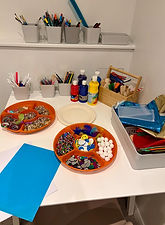
Children are more easily able to express their thoughts, feelings and experiences when they have access to a wide range of creative tools, toys, resources. A well-equipped Play Therapy Toolkit uses a range of modalities to help support communication, connection, and healing in a safe space. Each medium holds its own therapeutic value which allows the therapist gain an insight into a child's inner world and can help them work through difficulties.
-
Sand tray and symbols
-
Arts and crafts
-
Dressing up
-
Therapeutic stories
-
Creative visualisations
-
Sand tray and symbols



Play Therapy Sessions
1:1 Play Therapy sessions will take place either at your child's school or within the Peaceful Minds Play Therapy space in Otford. Sessions last 40 minutes and will take place on the same day each week. A block of 12 sessions will be offered that will be reviewed at around 7 and then 12 weeks. Sessions can be more long term depending on your child's needs.
Group Play Therapy sessions can be carried out within school via a school referral or during the school holidays within my private practice. Group sessions consist of 4-6 children and follow more of a semi - structured plan. The sessions provide an opportunity for children to meet others with similar difficulties or experiences. A typical block would last 6-10 weeks and last between 50-60 minutes.


